Defending digital democracy in courts and beyond!
Defending digital democracy in courts and beyond!

By Alexandra Giannopoulou, 13th July 2026
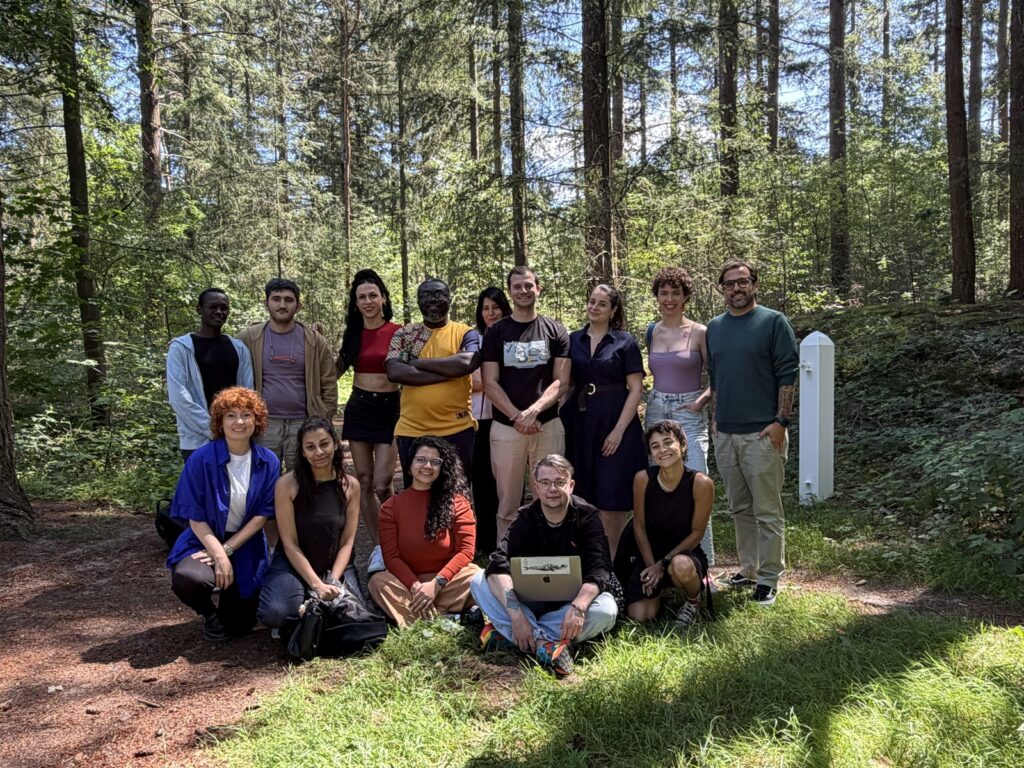
From 29 June to 2 July, a cohort from our community came together on the outskirts of Utrecht for another strategic litigation retreat. This was the second retreat to host participants from our Community Hubs. The first, in October 2025, brought together a subset of the AI Hub; this time, we brought members from the Digital Democracy Hub, launched earlier this year.
The retreat brought together twelve community members, each bringing a litigation case pursued by their organisation – all in various stages of development – to work collaboratively, to apply new concepts and frameworks and to strengthen and build their case further. Participants workshopped cases on a range of topics, including hate speech and violence; government and platform censorship; AI-based digitalisation of public services; and surveillance, spyware, and data protection.
The three days were not solely spent deepening the community’s understanding of strategic litigation. Importantly, participants made meaningful connections in more informal settings, around meals, hikes, and tea breaks. As usual, the highlight of the event was the time spent with individuals working on similar problems and building connections.
As one participant put it: “I learned about relevant projects and met fantastic people. It was uplifting to learn about other projects and fights. It was also inspirational.”
Over twelve nationalities were represented across Africa, Latin America, and Europe, which – as DFF facilitator Alexandra Giannopoulou said – created a “unique opportunity to exchange perspectives on how strategies can be applied more universally,” and “a fertile ground for alliance building and mutual support on common challenges, such as the rise of anti-rights movement and anti-LGBTI rhetoric and policies.”
The Sessions: Being Strategic about Litigation
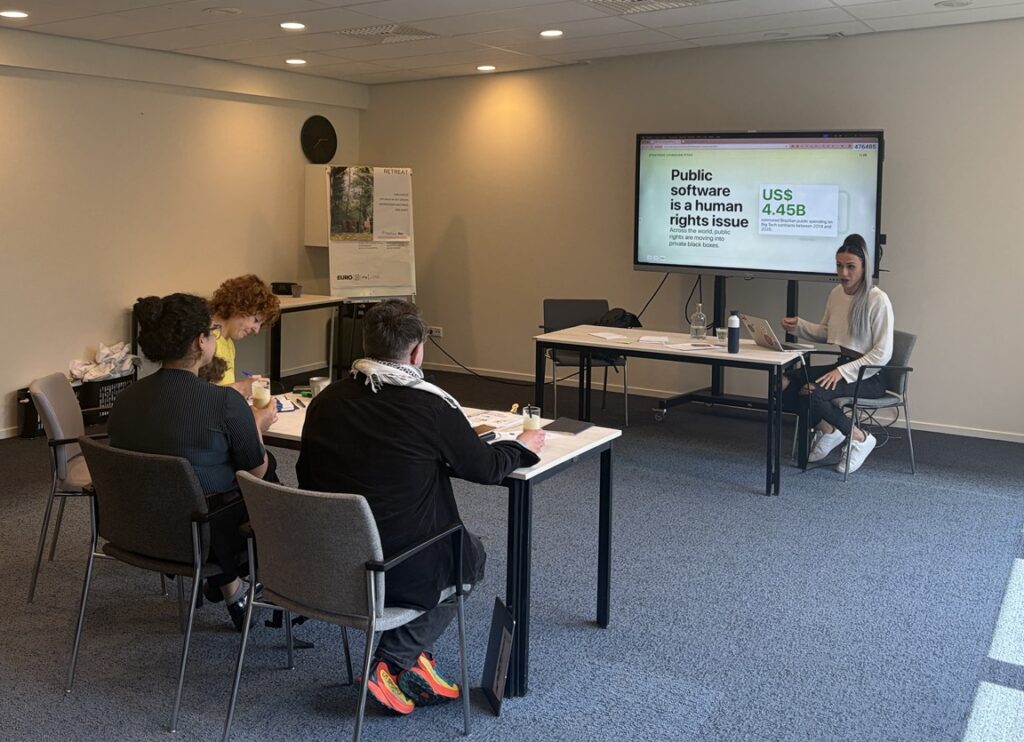
The retreat was broadly split into two interrelated focuses, litigation and advocacy around the litigation. Over the course of the presentations, we clarified how litigation and advocacy can work together to maximise impact and take us closer to our strategic goals.
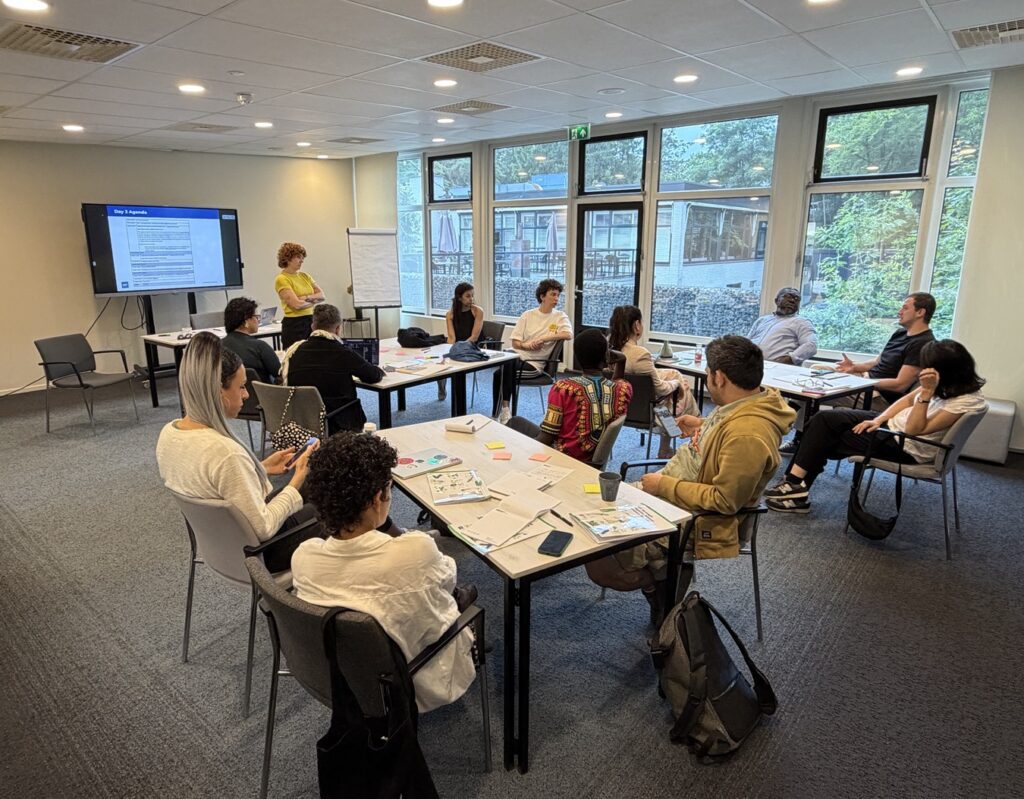
Day 1 started with identifying what we mean by strategic litigation and why we pursue it before diving into example case studies that employ different kinds of litigation tactics. We also discussed the importance of defining effective advocacy strategy and appropriate advocacy objectives taking inspiration from case examples.
The group was joined by guest speaker dr. Jef Ausloos, Assistant Professor at University of Amsterdam, who spoke about evidence gathering and access to information.
A key takeaway: be strategic about data access requests and know why you want to get specific information.
Dr. Ausloos also outlined how a data access refusal can be used to the requester’s advantage and further their strategic goals.
Day 2 focused on narrative building and litigation planning. We explored how can a message be effectively framed, targeted, and narrated depending on the audience and intended objective. Participants shared stories about successful messaging efforts, focusing on the political specificities in the jurisdiction involved.
Moving on to the core elements of litigation planning, we dove deeper in case selection and preparation as well as putting together the right team. At the core of this planning and execution, we emphasised the importance of a community-centred approach, ensuring that the impacted communities take a critical role in all steps of the process, deciding the goals and the means of the litigation together as part of the team filing the case.
Day 3 explored how to plan for the judgement from the court, including any contingency planning that might be required, readying a response to a judgement, and ensuring implementation of a judgement once it’s made. Participants discussed in-depth how to frame a loss as something strategic for their case.
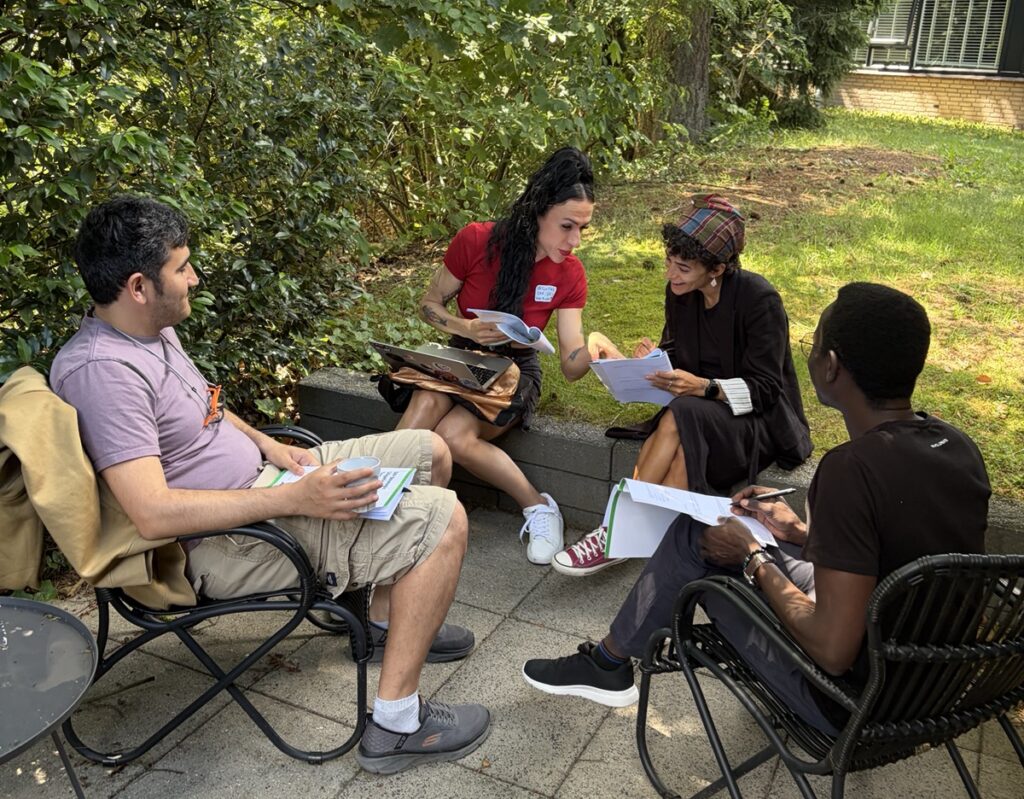
Throughout the sessions, participants were prompted to discuss in breakout groups how the topics and learnings applied to and could build on their individual cases. One theme that arose from these group discussions is the need for international collaboration and how organisations from across the world can support each other’s causes.
What’s Next?
Once participants return home and have had some time to digest what was discussed and the progress they made with their cases:
- 91% of participants said they plan to share what they learned with co-workers in their organisation.
- The participants will bring renewed energy and commitment to the Digital Democracy Hub. The Hub will continue for the next 18 months and remain a regular place for articulating needs and growing their network.
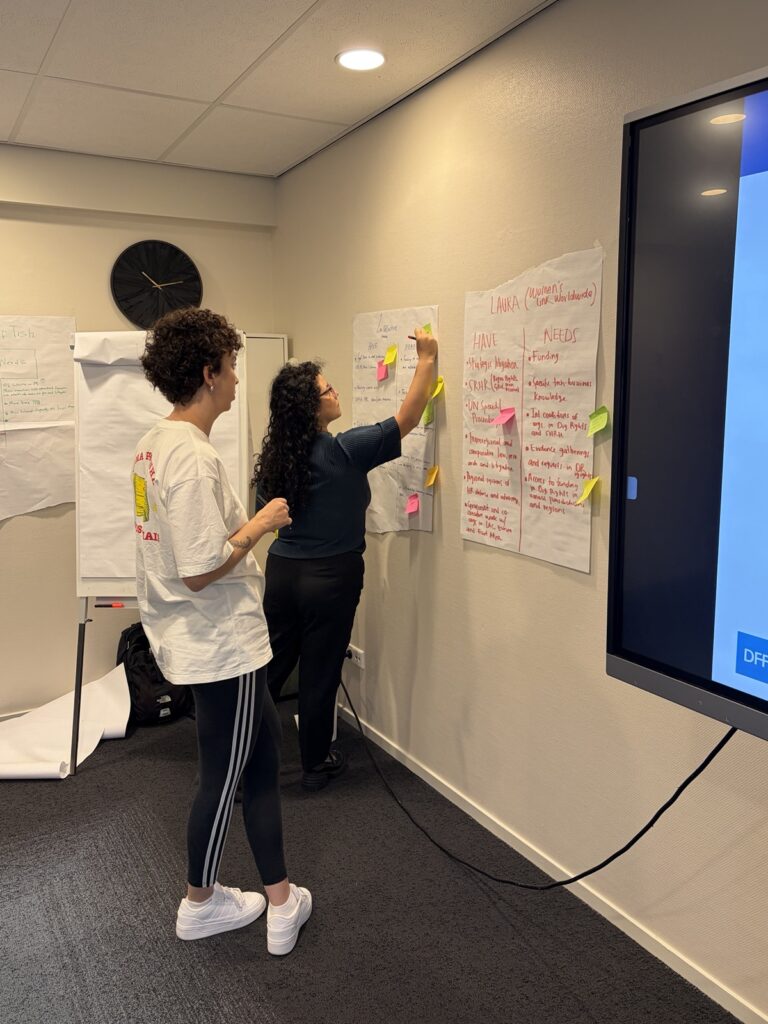
- DFF will support follow-up actions within our community. During the retreat, participants listed their “haves” and “needs,” prompting clear next steps for knowledge sharing, introductions, and even collaboration.
Lastly, DFF will keep making these retreats happen. One participant said: “I made important strategic connections that I wouldn’t have met otherwise. This space is so important.”
If you are interested in joining an upcoming Hub and retreat, sign up for our quarterly newsletter on our website and keep an eye out for calls for applications.