
Misuse of technology against people on the move in Closed Controlled Access Centres

By Thomas Vink, 26th September 2023
Border Violence Monitoring Network (BVMN) and I Have Rights, a refugee law clinic based in Samos, Greece, are preparing for litigation challenging the technology and surveillance infrastructure of the Samos Closed-Controlled-Access-Centre (CCAC) in Greece and its negative impact on the rights of people on the move, including forceful detention, violence, privacy rights violations, and lack of access to basic services.
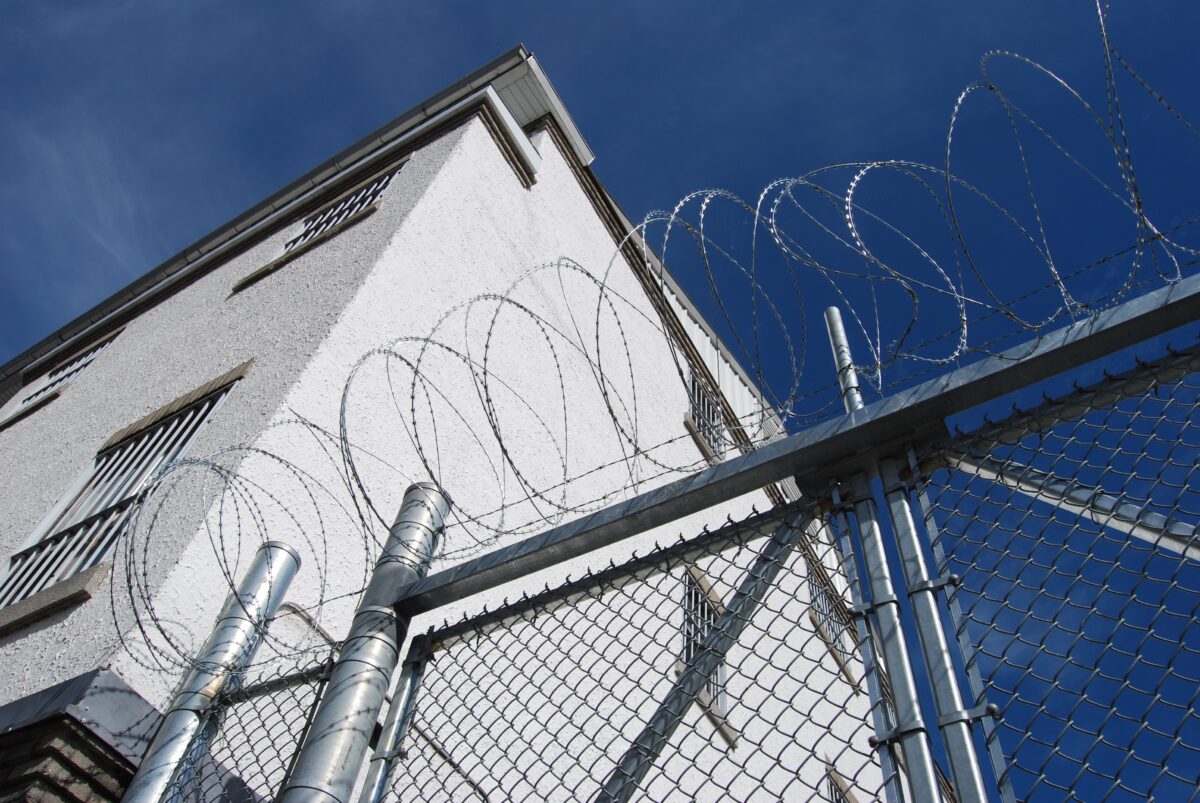
According to BVMN the CCAC is a prison-like structure funded by the EU and designated by the Greek State to identify, process and accommodate asylum seekers upon arrival in Greece.
BVMN are carrying our research to determine whether litigating within the jurisdiction of Greece or using EU complaints mechanisms is best suited to challenging how the technology and surveillance infrastructure of the CCAC violates the rights of people on the move. This includes looking at who is responsible and which accountability mechanisms can be pursued.
Through litigation they hope to increase safeguards in the CCACs, and create mechanisms for people on the move to access their data and enforce their rights.
Misuse of technology against people on the move in Closed Controlled Access Centres
Organisation Name
Border Violence Monitoring Network
Country/Jurisdiction
Greece
Amount Granted
EUR 50,740
Current Status
Ongoing
Grant type
Pre-litigation Research Support
Description
Border Violence Monitoring Network (BVMN) and I Have Rights, a refugee law clinic based in Samos, Greece, are preparing for litigation challenging the technology and surveillance infrastructure of the Samos Closed-Controlled-Access-Centre (CCAC) in Greece and its negative impact on the rights of people on the move, including forceful detention, violence, privacy rights violations, and lack of access to basic services.
According to BVMN, the CCAC is a prison-like structure funded by the EU and designated by the Greek State to identify, process and accommodate asylum seekers upon arrival in Greece.
BVMN are carrying our research to determine whether litigating within the jurisdiction of Greece or using EU complaints mechanisms is best suited to challenging how the technology and surveillance infrastructure of the CCAC violates the rights of people on the move. This includes looking at who is responsible and which accountability mechanisms can be pursued.
Through litigation they hope to increase safeguards in the CCAC, and create mechanisms for people on the move to access their data and enforce their rights.
"...preparing for litigation challenging the technology and surveillance infrastructure of the Samos Closed-Controlled-Access-Centre (CCAC) in Greece and its negative impact on the rights of people on the move..."
Strategic Goal
To set a precedent in identifying human rights violations in CCACs across Europe and bring legal challenges to the use of AI in screening and reception centres for asylum seekers.
People who are de facto detained enjoy proper protection and the provision of technology is accompanied by human rights assessments and responsibilities.
By identifying rights violated and perpetrators, legal responsibility is ensured for private actors, national governments and EU institutions and people on the move are empowered to come forward, be informed of their rights and seek to reinforce those rights.